


 English
 中文简体
中文简体 русский
 عربى
عربى1000-Type IBR Sheet Roll Forming Machine
The IBR 1000 profile is a classic, internationally recognized roofing system, widely adopted in regions such as Australia, Southeast Asia, the Middle ...
See DetailEarthquakes, wars, or extreme weather events often inflict massive destruction upon people's living environments, sometimes even endangering human lives. Once the critical "golden window" for immediate rescue operations has passed, the key metric for evaluating the efficiency of humanitarian aid organizations lies in their ability to transition disaster victims from rudimentary tents into safe, warm, and dignified temporary housing.
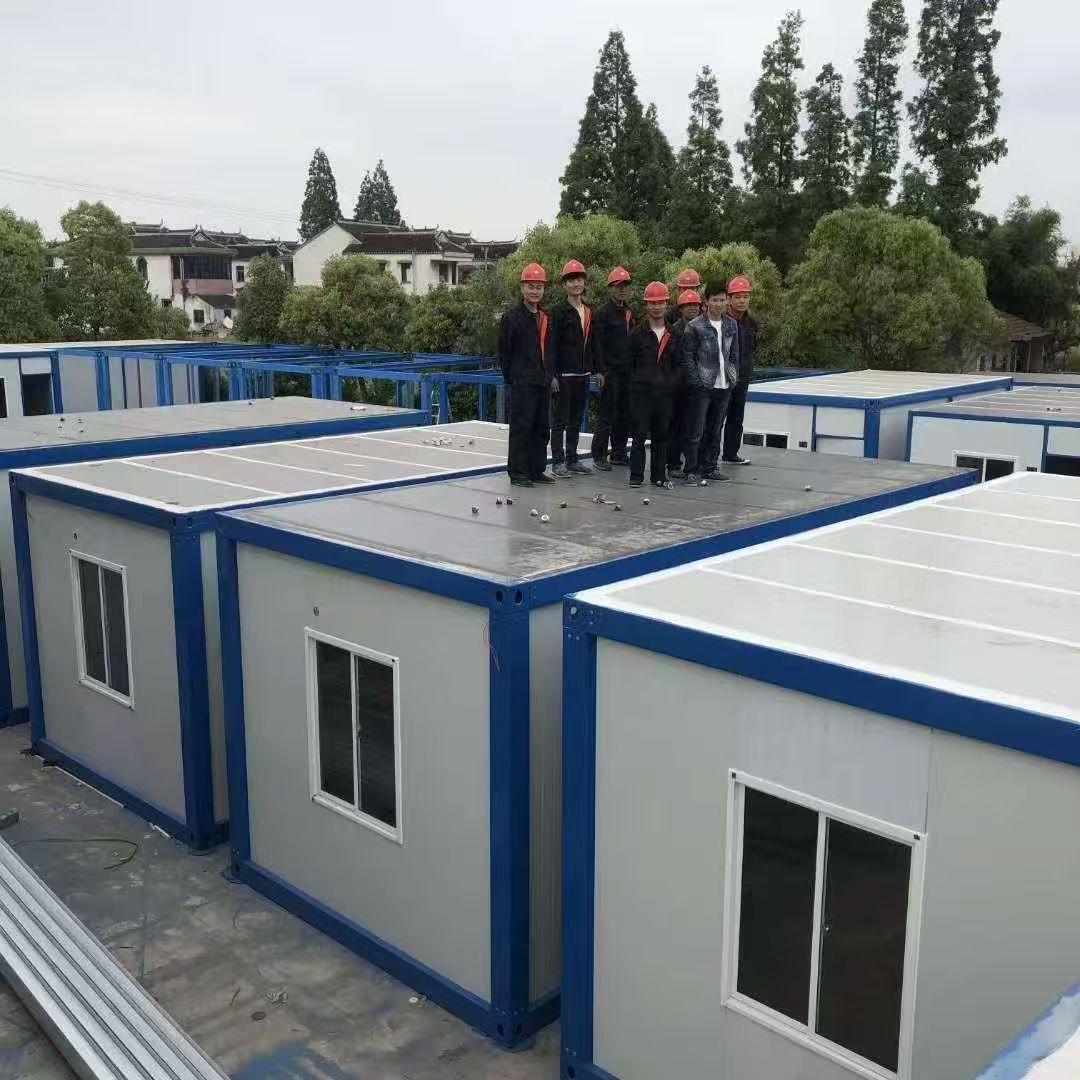
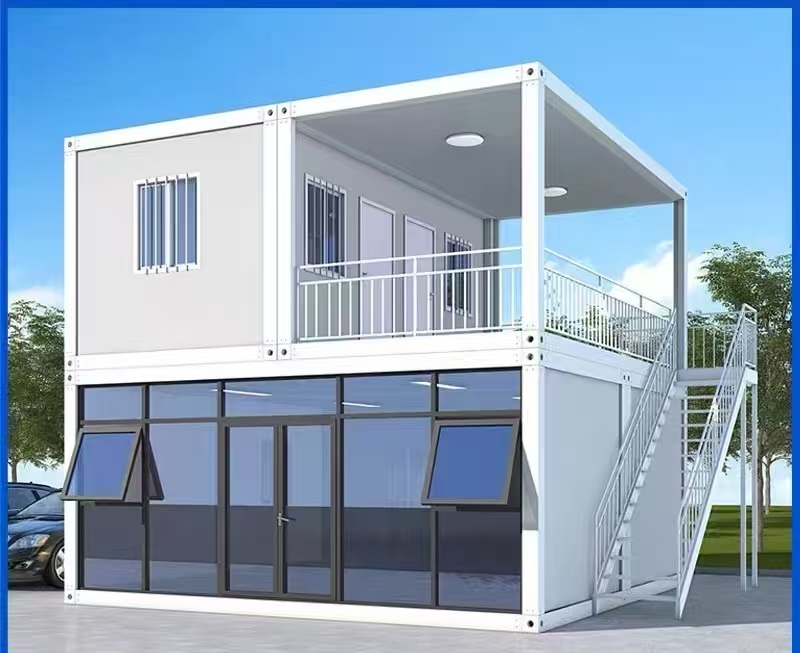
In recent years, driven by advancements in modular construction technology, container homes (also known as modular container housing) have been gradually displacing traditional tents to become the preferred solution for post-disaster emergency response worldwide. They serve not merely as disposable shelters, but rather as a "transitional bridge" leading toward the establishment of permanent homes.
So, what exactly are their advantages?
1. Robust Protection: A "Safe Fortress" Capable of Withstanding Category 12 Winds
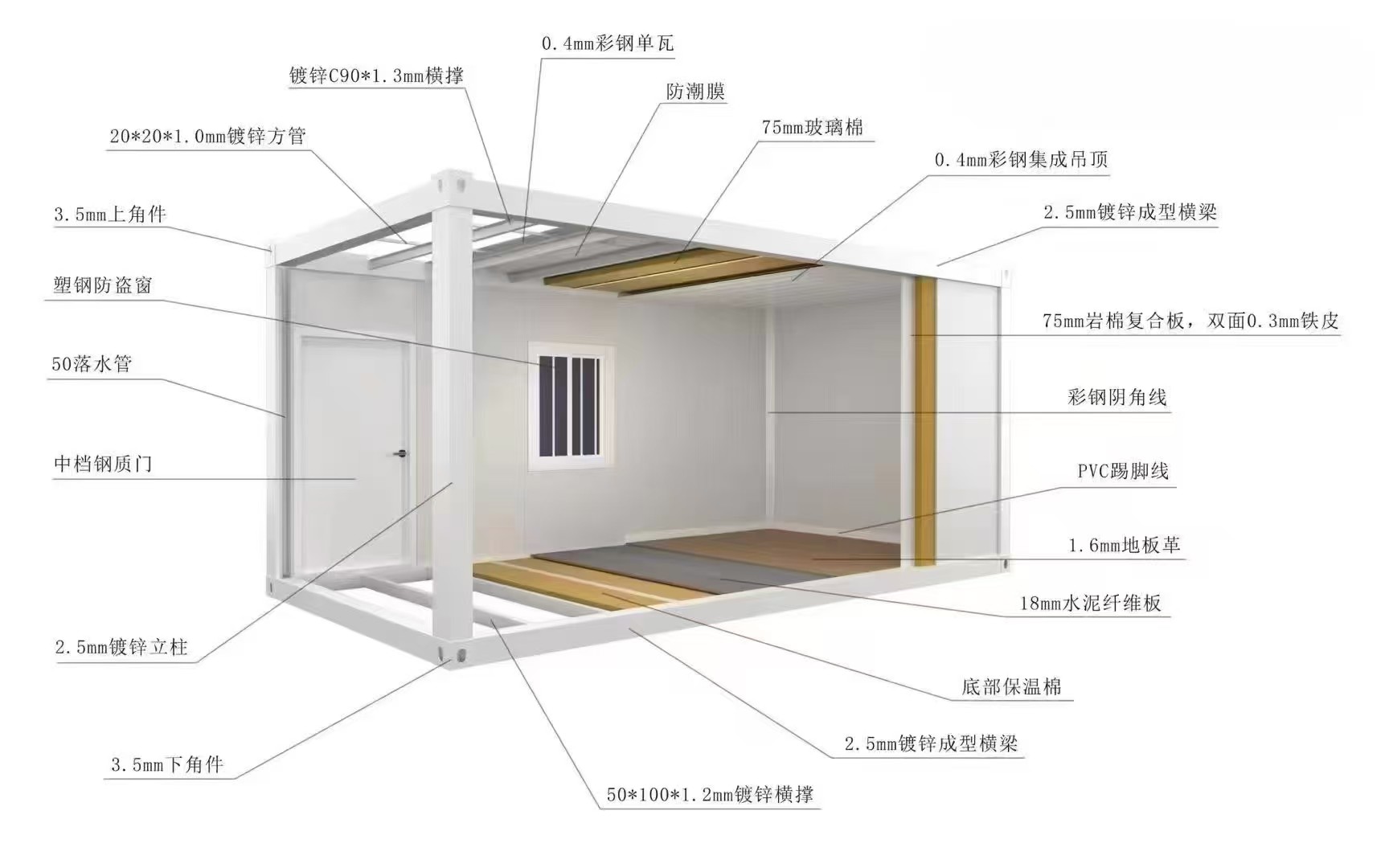
Compared to standard disaster relief tents, the greatest advantage of container homes lies in their inherent structural strength. Constructed using earthquake-resistant steel frameworks, these units provide a secure living space for residents—even in disaster zones plagued by continuous aftershocks—thereby completely resolving the critical vulnerability of traditional temporary structures, which are often "too fragile to withstand the elements."
2. Rapid Response: Shorter Construction Cycles Win Precious Time During the Critical Rescue Phase
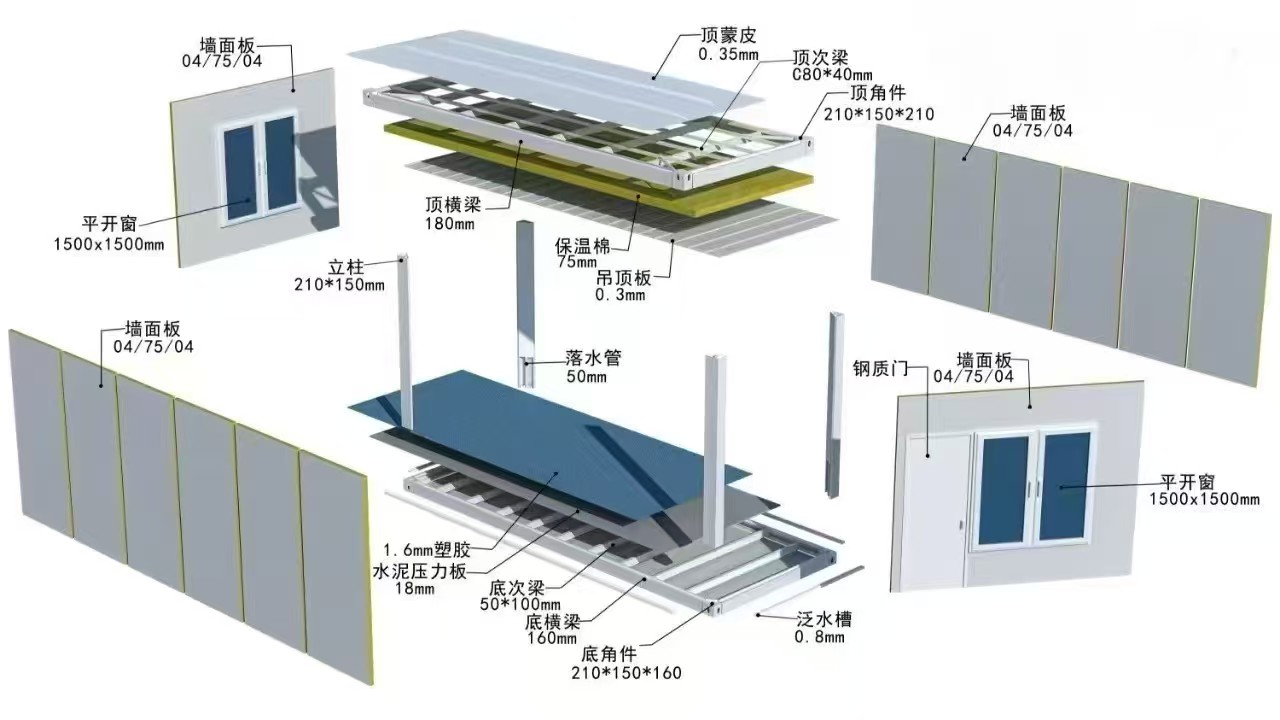
Post-disaster reconstruction is a race against a harsh and unforgiving environment. While traditional brick-and-mortar housing requires lengthy construction periods, container homes utilize a modular building model based on "factory prefabrication followed by on-site assembly." Whether clearing rubble after a war or facilitating rapid resettlement following an earthquake, our modular container units can be deployed via complete hoisting or folding-and-unfolding mechanisms, compressing a construction timeline that would typically take months into a matter of days—thereby securing invaluable time during the critical window for rescue and relief operations.
To be continued...
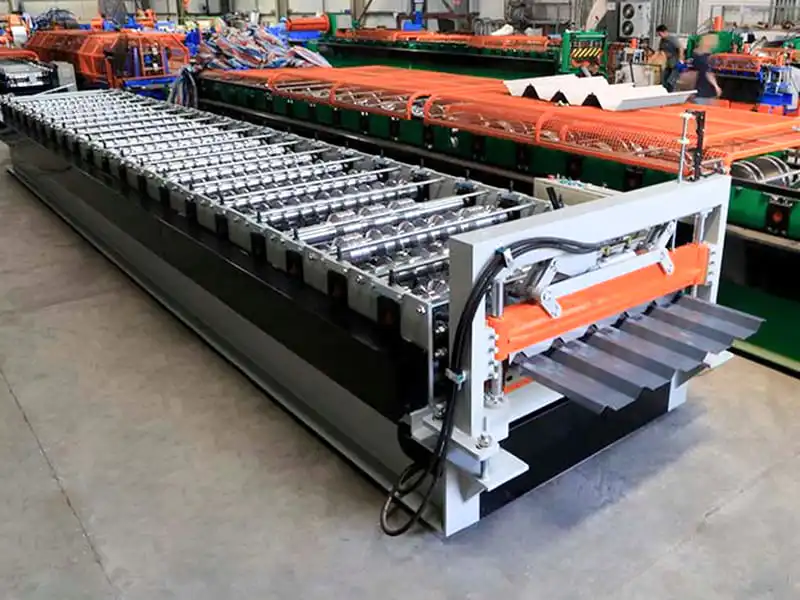
The IBR 1000 profile is a classic, internationally recognized roofing system, widely adopted in regions such as Australia, Southeast Asia, the Middle ...
See Detail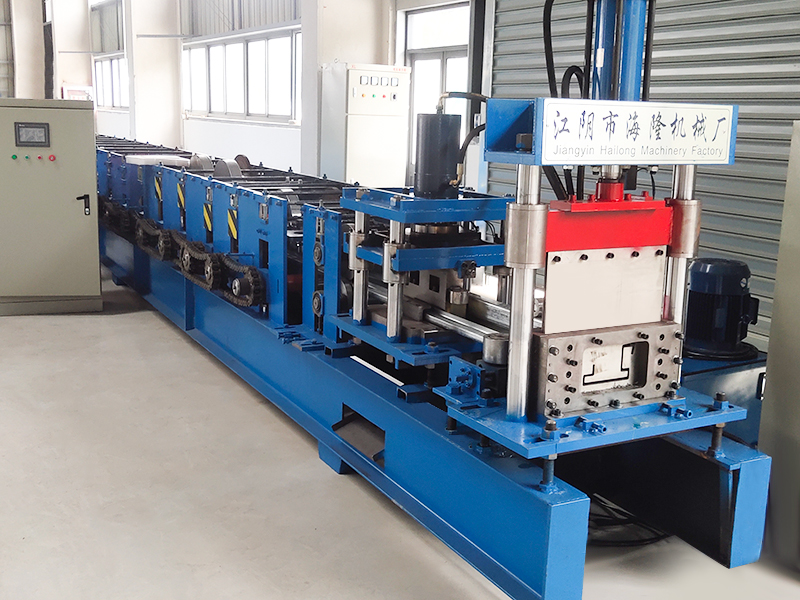
The flatpack container house top beam roll forming machine is specially tailored for the flatpack container roof structure production. Through high-pr...
See Detail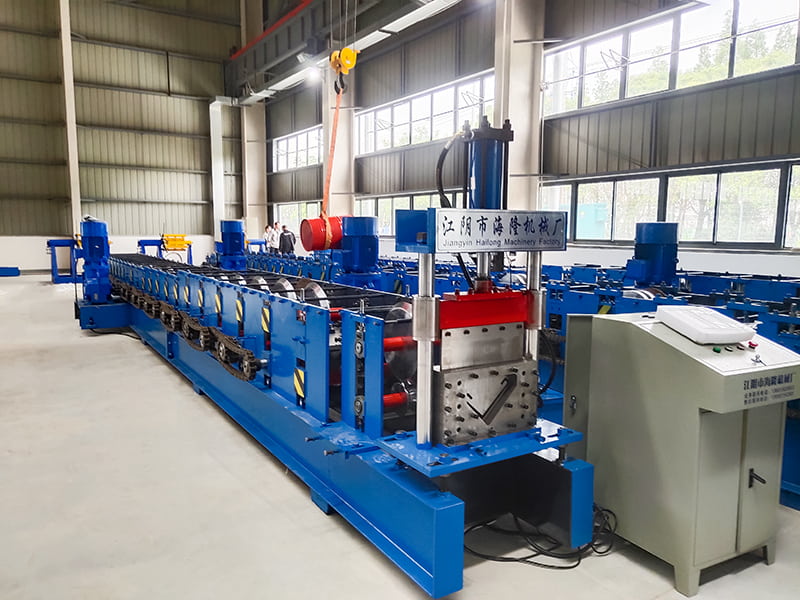
The Flatpack container house column roll forming machine is an automated cold roll forming production line specifically designed for the cross-section...
See Detail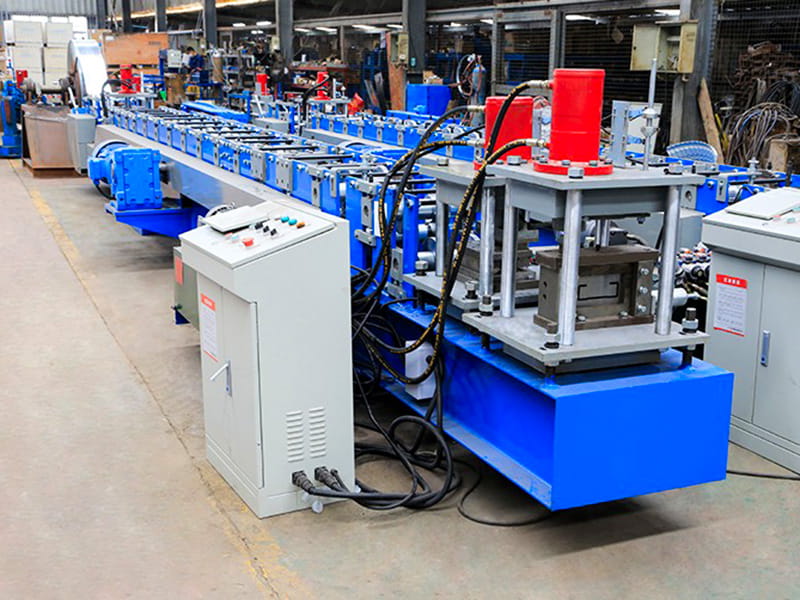
The C-purlin Roll Forming Machine is a core piece of specialized equipment in the manufacturing of steel structure building envelope systems. Using ga...
See Detail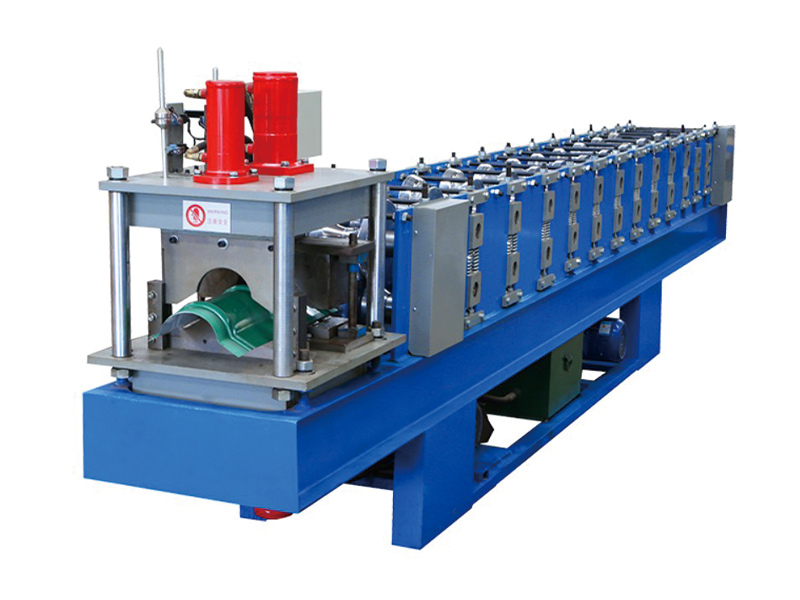
A roof ridge cap roll forming machine, which is mostly used to manufacture roof ridges or ridge flashing installed along the ridge lines of inclined r...
See Detail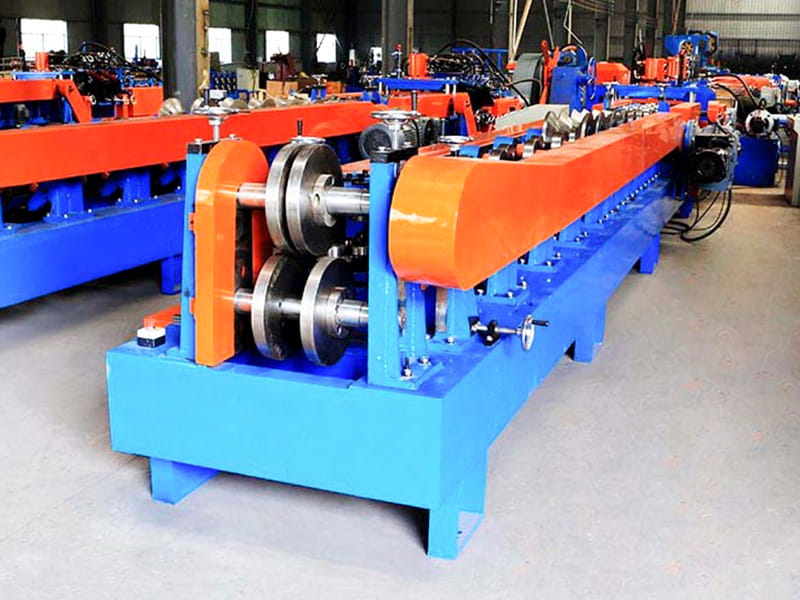
The 100-300 Type CZ Purlin Roll Forming Machine is a versatile, flexible cold-roll forming system specifically designed for steel structure building e...
See Detail

Copyright ©Jiangyin Hailong Machinery Factory All rights reserved Roll Forming Machine Manufacturers
